
Site Clearing Costs in Southland: How to Budget for Your Property Project
When you’re planning to build or improve your property, one of the first steps is site clearing. It’s essential to understand how much this process will cost so you can budget properly. Estimating site clearing expenses can seem tricky, but with the right information, it becomes straightforward. I’m here to walk you through the key factors that affect costs and how to get a reliable estimate for your project.
Understanding the Basics of Estimating Site Clearing Expenses
Site clearing involves removing trees, shrubs, rocks, and debris from a piece of land to prepare it for construction or landscaping. The cost depends on several factors, including the size of the area, the type of vegetation, and the terrain. Knowing these details helps you avoid surprises and plan your budget wisely.
Here are the main things to consider:
Land size: Larger areas require more time and equipment, increasing costs.
Vegetation type: Dense trees and thick brush take more effort to clear.
Terrain: Steep or uneven land can be harder to work on.
Access: If machinery can’t easily reach the site, costs may rise.
Disposal: Removing and disposing of cleared material adds to expenses.
By breaking down these elements, you can get a clearer picture of what your site clearing will cost.

Key Factors in Estimating Site Clearing Expenses
Let’s dive deeper into the factors that influence site clearing costs. Understanding these will help you communicate better with contractors and get accurate quotes.
Size of the Site
The bigger the area, the more work is involved. For example, clearing a 500 square metre section will cost less than clearing a full hectare. Contractors often charge per square metre or per hour, so knowing your site size is crucial.
Vegetation and Obstacles
Different types of vegetation require different tools and time. Removing small bushes is quicker than cutting down large trees. Also, if your site has rocks, old fences, or buildings, these will add to the workload.
Terrain and Accessibility
Flat land is easier and faster to clear. If your property has hills, slopes, or wet areas, machinery might struggle to operate efficiently. This can increase labour time and equipment costs.
Equipment and Labour
The type of machinery used affects the price. For example, a digger or bulldozer can clear land faster but costs more to operate. Labour costs vary depending on the skill level and the time needed.
Waste Removal
Cleared material must be removed or processed. Some contractors include this in their price, while others charge extra. Knowing this upfront helps avoid unexpected fees.
By considering these factors, you can better estimate your site clearing expenses and plan accordingly.
How much does drainage cost per metre NZ?
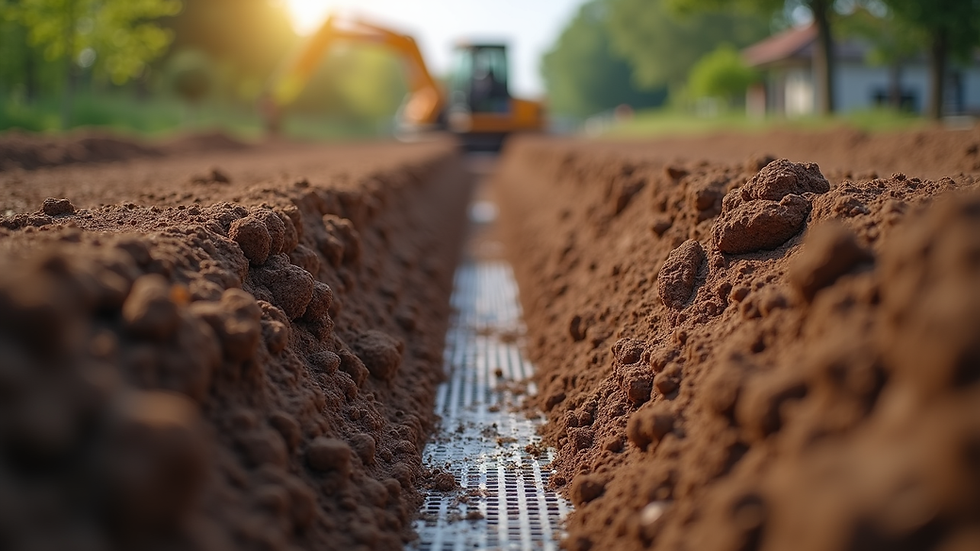
Drainage is often part of site preparation, especially in areas prone to waterlogging. Knowing the cost of drainage per metre helps you budget for this essential step.
In New Zealand, drainage costs typically range from $50 to $150 per metre, depending on the complexity of the job. Factors influencing this price include:
Type of drainage system: Surface drains are cheaper than underground systems.
Soil conditions: Rocky or clay soils require more work.
Depth and width: Larger drains cost more.
Access and location: Remote or difficult sites increase costs.
For example, installing a simple surface drain along a 20-metre stretch might cost around $1,000 to $3,000. More complex underground drainage could be significantly higher.
Including drainage in your site clearing plan ensures your land stays dry and stable for future use.
Tips for Getting Accurate Site Clearing Quotes
Getting a clear and fair quote is key to managing your budget. Here are some tips to help you get the best estimate:
Provide detailed information: Share site size, photos, and any known obstacles with contractors.
Ask for itemised quotes: This helps you see what you’re paying for each part of the job.
Check what’s included: Confirm if waste removal, permits, and equipment hire are part of the price.
Compare multiple quotes: Don’t settle for the first offer. Comparing helps you find the best value.
Discuss timelines: Longer projects can increase costs, so clarify how long the work will take.
By following these steps, you’ll avoid hidden costs and get a realistic idea of your site clearing expenses.
Planning Your Budget for Site Clearing in Southland
When budgeting, it’s smart to add a buffer for unexpected costs. Weather delays, hidden rocks, or extra waste can increase expenses. A good rule of thumb is to add 10-20% to your initial estimate.
Also, consider the benefits of hiring local experts. They understand Southland’s unique conditions and can offer advice tailored to your property. This local knowledge often saves time and money in the long run.
Moving Forward with Confidence
Estimating site clearing expenses doesn’t have to be overwhelming. By understanding the key factors, asking the right questions, and planning carefully, you can manage your project smoothly. Remember, clear communication with your contractor and realistic budgeting are your best tools.
If you’re ready to start your site clearing journey, take the time to gather information and get multiple quotes. This approach ensures you get quality work at a fair price, setting the stage for your dream outdoor space.
With the right preparation, your property will be ready for whatever comes next - whether it’s building a new home, creating a garden, or installing landscaping features. Good luck with your project!
FAQs about Site Clearing Expenses
How much does site clearing cost in Invercargill, NZ?
Site clearing costs in Invercargill can vary depending on your section size, vegetation, and access. On average, homeowners can expect to pay anywhere from $1,500 for small, simple jobs to $10,000+ for larger or more complex sites. The best way to get an accurate figure is to request a site-specific quote.
What factors affect site clearing costs in Southland?
The main factors include land size, type of vegetation (grass vs large trees), terrain (flat or sloped), site access for machinery, and whether waste removal is included. Wet or uneven Southland sections can also increase costs due to slower machinery operation.
Do I need council consent for site clearing in NZ?
In some cases, yes. If your property has protected trees, is near waterways, or involves significant earthworks, you may need consent from your local council. It’s always best to check with the Invercargill City Council or ask your contractor to guide you.
Is waste removal included in site clearing costs?
Not always. Some contractors include green waste removal and disposal in their quote, while others charge extra. Always ask for an itemised quote so you know exactly what’s covered and can avoid surprise costs.
How long does site clearing take in New Zealand?
Most residential site clearing jobs take anywhere from a few hours to a few days, depending on the size and complexity of the land. Larger rural properties or heavily overgrown sections in Southland may take longer, especially if weather conditions slow things down.


Comments