
Choosing the Right Digger for Landscaping: Earthmoving Options in Southland
When it comes to landscaping, choosing the right digger can make all the difference. Whether you are reshaping your garden, installing a new driveway, or preparing your land for planting, the right equipment helps you get the job done efficiently and safely.
In Southland, where the terrain and weather can vary, selecting the right digger is especially important. I want to share some practical advice to help you pick the best digger for your landscaping needs.
Understanding Your Landscaping Needs
Before you start looking at diggers, it’s important to understand what your project requires. Different landscaping jobs call for different types of diggers. Here are some common tasks and the digger types that suit them:
Small garden projects: Mini diggers or compact excavators are perfect for tight spaces and delicate work.
Large earthmoving jobs: Medium to large excavators handle bigger volumes of soil and heavy lifting.
Trenching and drainage: Narrow diggers with long arms are ideal for digging trenches for pipes or cables.
Land clearing: Diggers with attachments like buckets or grapples can help clear brush and debris.
Knowing the size and scope of your project will guide you in choosing the right digger. For example, if you want to create a new garden bed or install a pond, a mini digger might be enough. But if you are reshaping your entire property or building retaining walls, a larger machine will save you time and effort.
Exploring Earthmoving Options in Southland
Southland’s landscape offers unique challenges and opportunities. The soil can range from soft and sandy to rocky and clay-heavy. Weather conditions can also affect how you work. This means the digger you choose should be versatile and reliable.
When considering earthmoving options in Southland, think about:
Machine size and weight: Larger machines can handle tough soil but may damage delicate areas.
Mobility: Compact diggers are easier to manoeuvre in tight spaces or uneven ground.
Attachments: Some diggers come with or can be fitted with different tools like buckets, breakers, or augers.
Fuel type: Diesel is common, but electric or hybrid models are becoming more available and eco-friendly.
I recommend consulting with local experts who understand Southland’s conditions. They can help you select a digger that matches your project and the environment. For example, digger worx and land invercargill offers a range of machines and advice tailored to local needs.

Key Features to Look for in a Digger
Choosing the right digger means looking beyond just size and price. Here are some key features to consider:
Digging depth and reach: Make sure the digger can reach the depth and distance your project requires.
Bucket size and type: Different bucket sizes suit different tasks. A narrow bucket is good for trenches, while a wide bucket moves more soil.
Operator comfort: Look for machines with comfortable seats, easy controls, and good visibility.
Fuel efficiency: A fuel-efficient digger saves money and reduces environmental impact.
Maintenance and support: Choose a brand or supplier that offers good after-sales service and easy access to parts.
For example, if you plan to dig trenches for irrigation, a digger with a narrow bucket and long arm is ideal. If you want to move large amounts of soil quickly, a digger with a wide bucket and strong engine will work better.
How to Rent or Buy the Right Digger
Once you know what you need, the next step is deciding whether to rent or buy a digger. Both options have pros and cons:
Renting: Good for short-term projects or if you want to try different machines. Renting usually includes maintenance and support.
Buying: Better for long-term use or if you have multiple projects. Buying requires upfront investment and ongoing maintenance.
When renting or buying, ask about:
Machine condition: Check for wear and tear, and ask for service history.
Training and support: Some suppliers offer operator training and technical help.
Insurance and safety: Make sure you understand the insurance coverage and safety requirements.
If you are unsure, renting first can help you test different diggers and find the best fit. Local suppliers in Southland often provide flexible rental options and expert advice.
Tips for Safe and Effective Digger Use
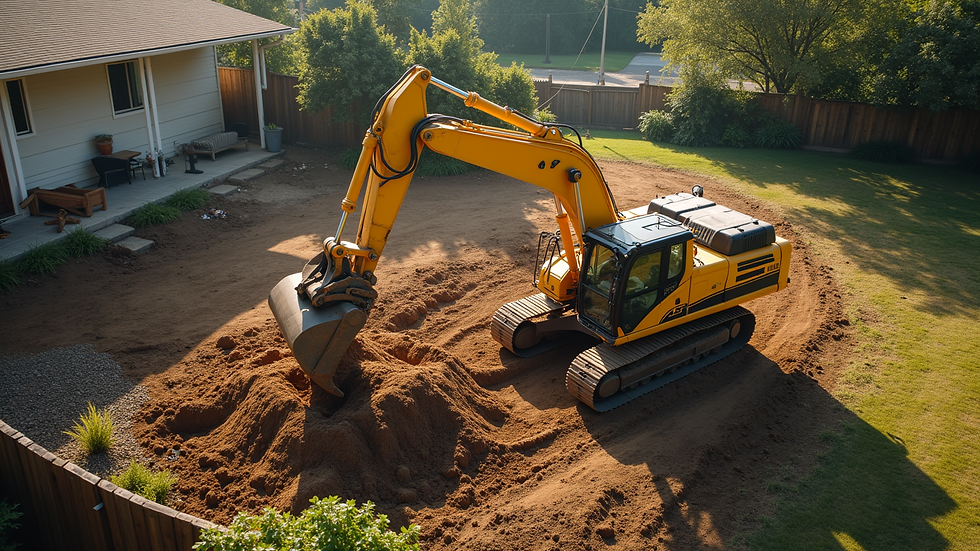
Using a digger safely is just as important as choosing the right one. Here are some tips to keep your project running smoothly:
Plan your work: Mark underground utilities and plan your digging route.
Wear safety gear: Always use helmets, gloves, and boots.
Follow instructions: Read the operator’s manual and follow safety guidelines.
Check the machine: Inspect the digger before use for leaks, loose parts, or damage.
Work with a spotter: Have someone guide you when working in tight or tricky areas.
Take breaks: Avoid fatigue by taking regular breaks and staying hydrated.
By following these tips, you can avoid accidents and damage to your property. Remember, a well-chosen digger combined with safe operation leads to great landscaping results.
Making Your Landscaping Vision a Reality
Choosing the right digger is the first step toward creating your ideal outdoor space. With the right machine, you can transform your property efficiently and with confidence. Whether you are planting new gardens, building retaining walls, or reshaping your land, the right digger makes the job easier.
If you want expert help, consider reaching out to local professionals like digger worx and land invercargill. They understand Southland’s unique conditions and can guide you to the best earthmoving options.
Investing time in choosing the right digger pays off in the quality and speed of your landscaping project. Take the time to assess your needs, explore your options, and prioritise safety. Your dream outdoor space is within reach with the right tools and knowledge.

Comments